Buying a painting online feels different from buying shoes online. You cannot try it on, you cannot return it to a rack, and the whole point is that it is a one-of-a-kind object made by a real person's hands. That is exactly why people get nervous — and honestly, a little nervousness is healthy. It means you care about getting it right.
I sell my own oil paintings directly to collectors across the country, so I see this from the artist's side too. Here is the checklist I wish every buyer ran through before clicking "buy."
1. Make sure it is an original, not a print
This is the big one. An original painting is the actual canvas the artist touched — the one with brushstrokes, texture, and dried layers of paint. A print is a reproduction, even when it is a fancy "giclée" on canvas. Both have their place, but they are not the same thing, and they should never be priced the same.
Read the listing carefully. An honest seller will say "original oil on canvas" and will mean it. If the listing is vague — "canvas art," "wall art," "abstract print art" — ask directly: Is this the original painting or a reproduction? A real artist answers that question gladly.
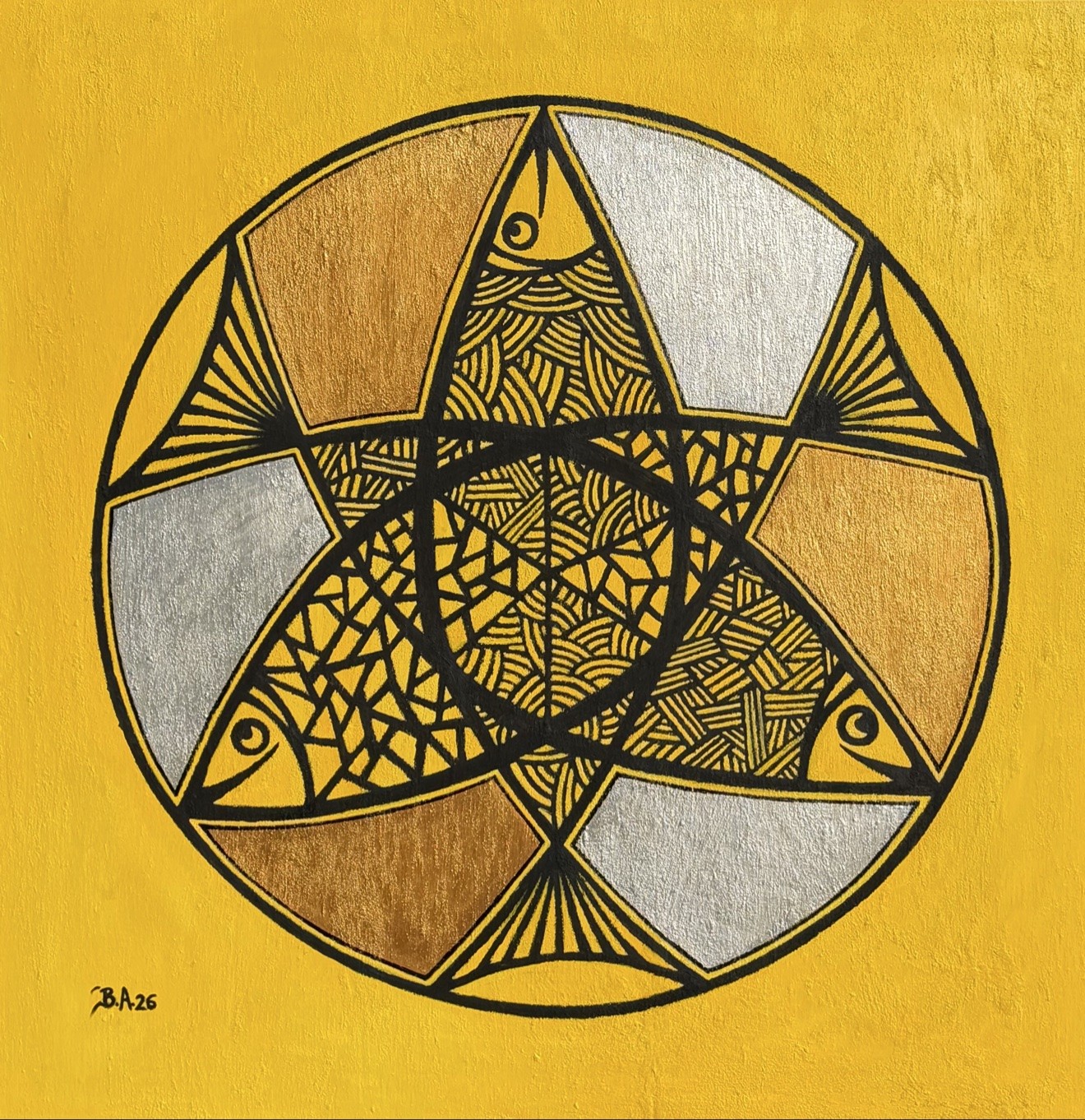
Everything I sell is the single original painting. I do not print my work. When a collector buys Three Fishes, they get the actual 48-by-48-inch oil-on-wood panel I painted, with every brushstroke I laid down. One painting, one owner.
2. Check the artist's background
Before you trust a stranger with a few thousand dollars, spend ten minutes on their story. A real artist has one, and it should be easy to find:
- An About page with their history, exhibitions, and where they work
- Paintings shown in consistent style and medium across a portfolio site or gallery profiles
- Some public footprint — exhibitions, a gallery listing, press, or a social media history that goes back years
Be cautious of a seller with a brand-new account, stock-looking photos, and no story at all. Art scams usually fail this test in the first thirty seconds.
3. Look at real photos of the actual painting
Ask for, or look for, photographs of the actual piece — not staged mockups, not the same image stretched into three different listings. Brushstrokes should be visible. The edges of the canvas should look like a real object in a real room.
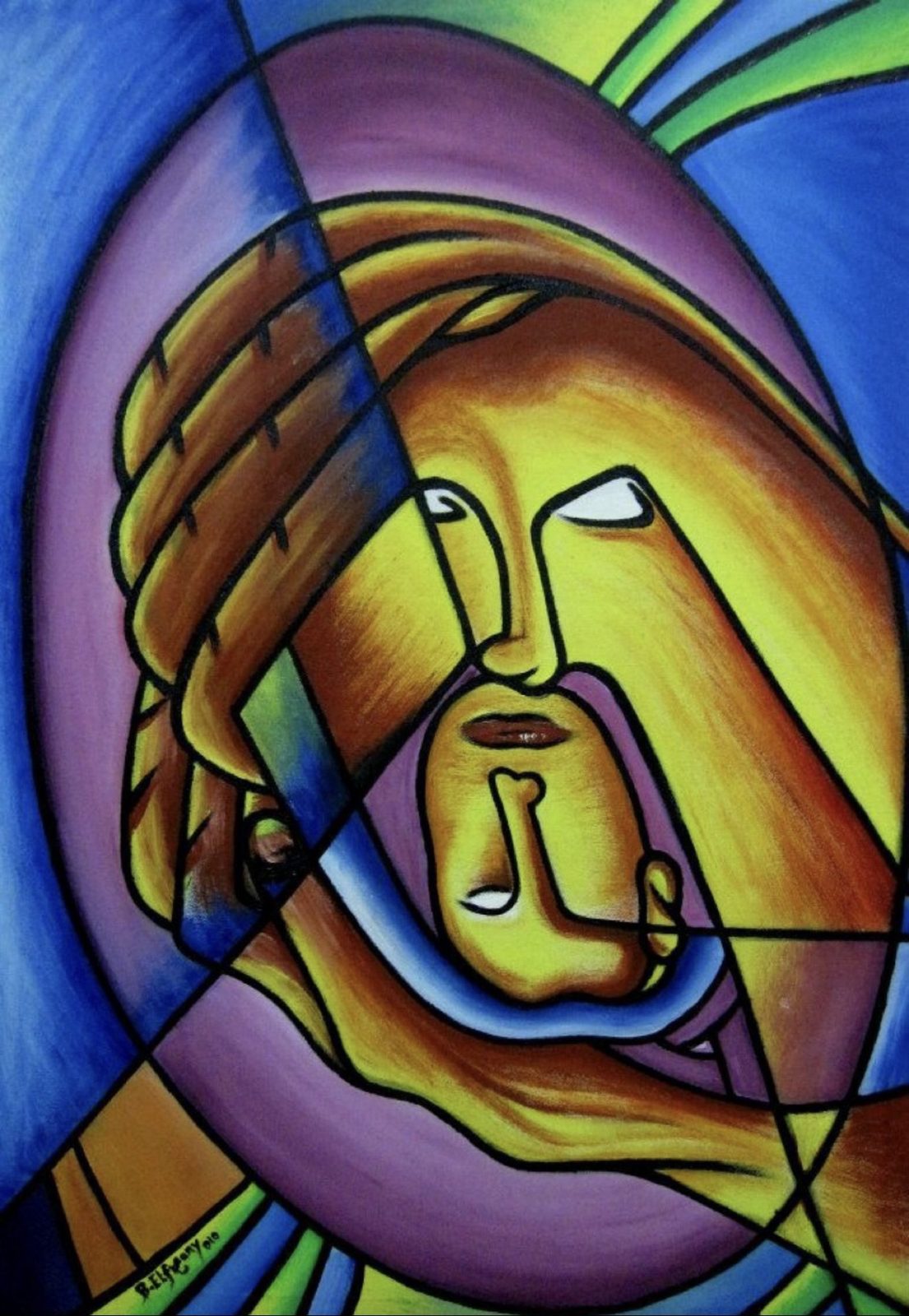
I photograph my paintings full-size and uncropped because that is what a collector deserves to see. My Golden Face is a 24-by-30-inch oil on canvas — when you see it, you should be able to see the gold paint sitting on the surface, not a flat digital file.
4. Ask about the certificate of authenticity
Every original painting you buy should come with a certificate of authenticity — a signed document stating the title, dimensions, medium, year, and that it is the original work by the artist. This protects the value of your painting for decades. It is what separates a collector's piece from a decoration.
If a seller cannot or will not provide one, walk away. I sign a certificate for every painting I sell. It is not optional in my studio; it is how the work travels with its history.
5. Clarify shipping, insurance, and returns before you pay
Large paintings ship as freight, not in an envelope. Ask:
- Who packs and insures it? Originals should ship insured for their full value, in proper art packaging.
- Who pays for shipping? Know this before you commit.
- What is the return policy? A confident artist has an answer. I stand behind every piece I ship.
6. Buy direct from the artist when you can
Here is the part that matters most. When you buy directly from the artist, you remove the two biggest risks at once: misrepresentation and markup. You talk to the person who made the work. You can ask what it is about, why they painted it, what the colors mean. You get the story with the painting — and in my experience, collectors who know the story hang the painting with more pride.
No middleman, no gallery commission inflating the price, no telephone game about what the painting really is. Just the painter and the collector.
The safest way to start
If you are buying your first original painting online, here is my advice: find an artist whose story you can verify, buy the original with a signed certificate, and make sure you can talk to the artist before and after the sale. That is it. That is the whole secret.
Thinking about a piece? Write to me at [email protected] — tell me what catches your eye and I will answer every question about the painting, the certificate, and getting it safely to your wall.